What Conditions Can Be Treated With In-Home Physical Therapy?
In-home physical therapy — also known as mobile or concierge physical therapy — brings high-quality, one-on-one care directly to you. Instead of driving to a clinic, waiting in a busy gym, or juggling appointments, your physical therapist comes to your home and treats you in your real environment.
But a common question we hear is:
What conditions can actually be treated with in-home physical therapy?
The answer surprises many people — far more than you might think.
What Is In-Home Physical Therapy?
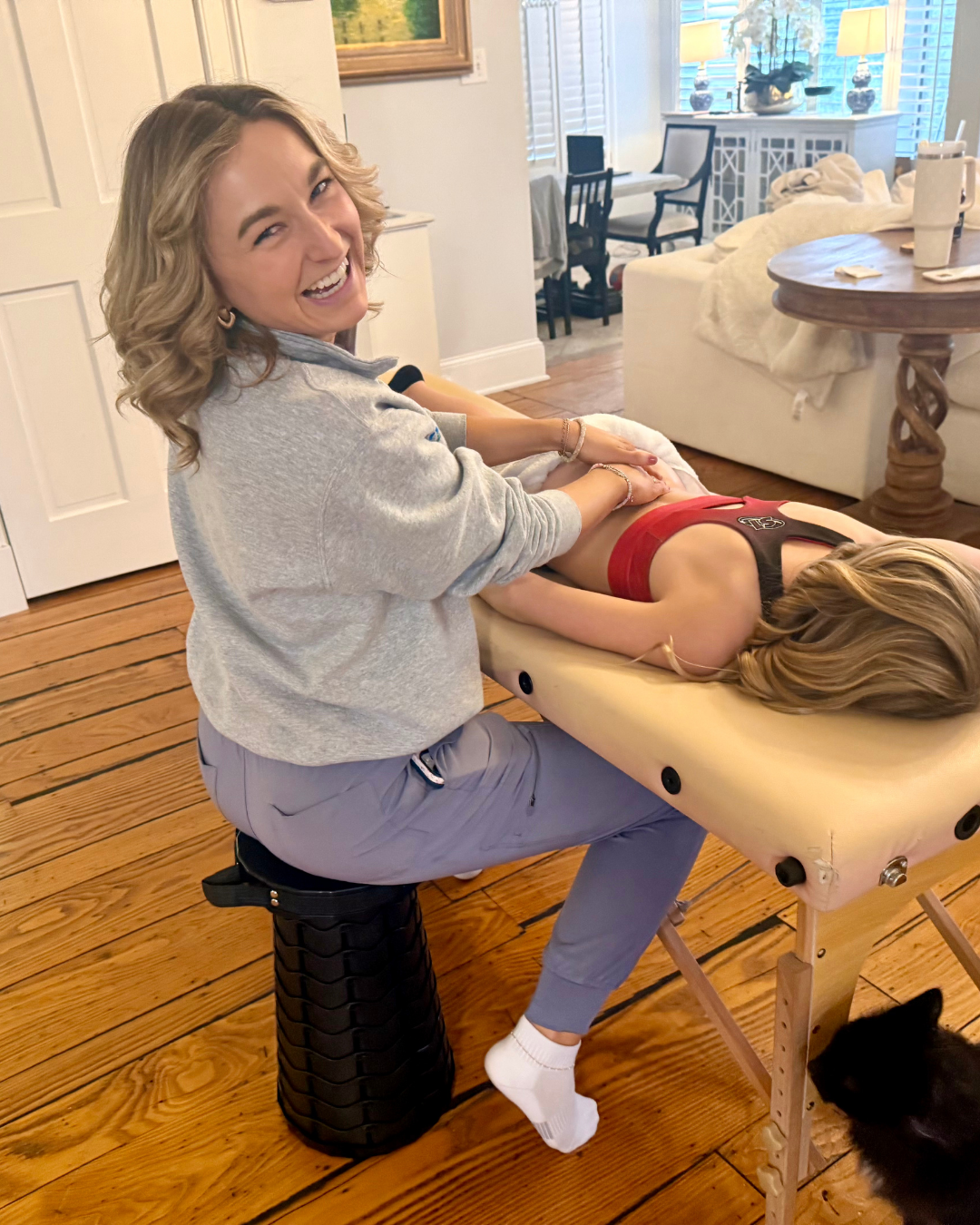
In-home physical therapy is a personalized model of care where a licensed physical therapist provides evaluation and treatment in your home, workplace, or private gym.
This approach is especially effective because:
Care is one-on-one
Sessions are longer and more comprehensive
Treatment is tailored to your daily life and environment
There are no clinic distractions or time pressure
Now let’s look at the conditions that benefit most.
Orthopedic Pain & Injuries
In-home physical therapy is highly effective for musculoskeletal pain and injuries, including:
Low back pain
Neck pain and whiplash
Shoulder pain and rotator cuff injuries
Hip pain and labral injuries
Knee pain, meniscus injuries, and arthritis
Ankle and foot pain (including plantar fasciitis)
Treating these conditions at home allows your therapist to:
Address movement patterns in your actual living space
Modify exercises using your own furniture and equipment
Reduce flare-ups caused by rushed or generic clinic programs
Post-Surgical Rehabilitation
Many people assume they must go to a clinic after surgery — but in-home physical therapy is often ideal in the early recovery phase.
Common post-surgical conditions treated at home include:
Total knee or hip replacement
ACL reconstruction
Rotator cuff repair
Spine surgery
Abdominal or pelvic surgeries
Breast surgery recovery
Benefits of in-home post-surgical PT:
No driving while in pain or on restrictions
Safer progression of mobility and strength
Reduced infection exposure
Focus on functional tasks like stairs, getting out of bed, and daily activities
Balance, Dizziness & Vestibular Conditions
In-home physical therapy is especially effective for balance and vestibular conditions because treatment happens where symptoms actually occur.
These include:
Dizziness or vertigo
Persistent postural-perceptual dizziness (PPPD)
Benign paroxysmal positional vertigo (BPPV)
Imbalance and fall risk
Post-concussion symptoms
Working in the home allows your therapist to:
Assess fall risks in real time
Practice walking, stairs, and head movements safely
Gradually expose you to motion and visual challenges
Build confidence in your own environment
Neurological Conditions
In-home physical therapy can support individuals with neurological diagnoses who benefit from familiar surroundings and consistent routines.
Examples include:
Stroke recovery
Parkinson’s disease
Multiple sclerosis
Neuropathy
Brain injury recovery
Home-based care helps reduce fatigue, improve carryover, and focus on real-world function rather than isolated clinic exercises.
Chronic Pain & Complex Conditions
For people with long-standing pain or medical complexity, in-home physical therapy offers a gentler, more individualized approach.
Conditions often treated include:
Chronic low back or neck pain
Fibromyalgia
Hypermobility syndromes
Migraines and headache-related pain
Pain after unresolved injuries
This model allows time for:
Education and pacing
Nervous system regulation
Gradual progression without pushing through pain
Women’s Health Conditions
In-home physical therapy is a comfortable, private option for women’s health concerns, including:
Osteoporosis
Custom Body Resets: monthly manual therapy program for tightness and injury prevention
Hip and back pain related to hormonal changes or pregnancy
Being treated at home often leads to better adherence, reduced stress, and more realistic exercise integration.
Who Is In-Home Physical Therapy Best For?
In-home physical therapy is ideal if you:
Have a busy schedule or demanding job
Prefer private, one-on-one care
Have difficulty traveling to a clinic
Want faster, more personalized progress
Have tried traditional PT without success
It’s especially popular among busy professionals, parents, and individuals who value convenience and results.
Is In-Home Physical Therapy Right for You?
If your condition affects how you move, function, or feel in daily life, there’s a good chance it can be treated with in-home physical therapy.
The key is working with a provider who:
Specializes in mobile or concierge care
Tailors treatment to your goals
Understands how to treat you where you live
Looking for In-Home Physical Therapy in Ohio?
At Custom Care Rehab, we provide concierge, in-home physical therapy designed for people who want personalized care without the limitations of traditional clinics.
We treat a wide range of conditions and focus on:
One-on-one sessions
Flexible scheduling
Evidence-based, individualized treatment
📞 Schedule a complimentary discovery call to find out if in-home physical therapy is right for you.