In today’s healthcare system, many patients don’t feel cared for — they feel processed.
They wait weeks for appointments.
They repeat their story multiple times.
They feel rushed through visits.
They leave with unanswered questions.
And many quietly wonder:
“Did my provider actually hear me?”
As a physical therapist, this is something I saw often during my 15 years working in the traditional healthcare system. Not because clinicians didn’t care—but because the system itself often made meaningful connection difficult.
Schedules were packed. Productivity mattered. Time was limited.
And while providers were doing their best, patients frequently walked away feeling like a number instead of a person.
That experience changed the way I wanted to practice healthcare.
At Custom Care Rehab, I built a relationship-based model of care because I believe better outcomes begin with trust, communication, and truly understanding the person sitting in front of you.
Especially when treating:
dizziness and vertigo
concussion symptoms
chronic pain
balance disorders
mobility limitations
relationship matters.
Patients Don’t Just Want Treatment — They Want To Feel Heard
One of the most common things I hear from new patients is:
“I finally feel like someone is listening to me.”
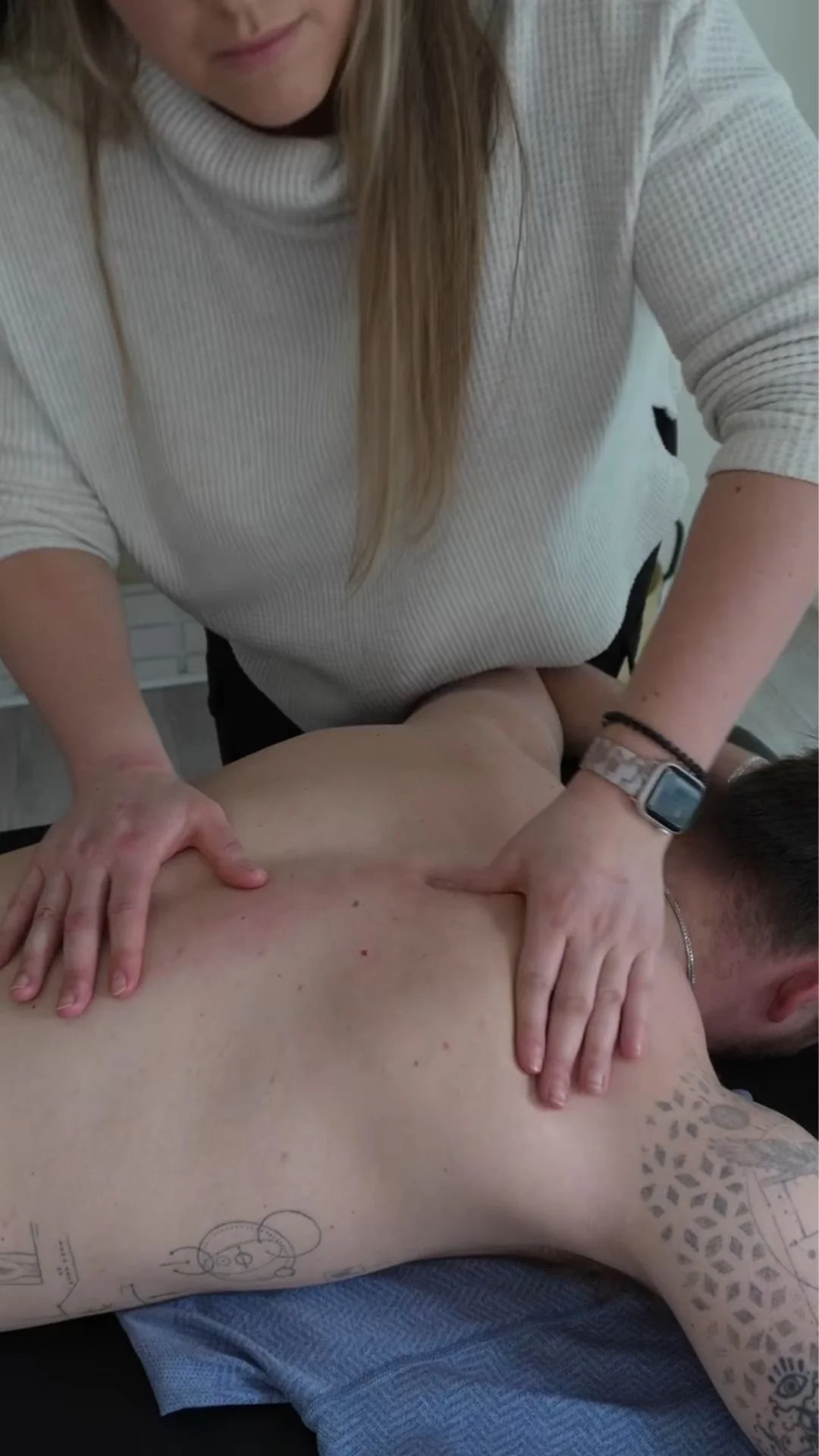
“We are Bringing the House Call Back to Medicine”
Personal, convenient, and individualized.
That sentence says a lot about modern healthcare.
Patients today are overwhelmed:
conflicting information online
rushed medical visits
endless referrals
difficulty scheduling appointments
feeling dismissed when imaging is “normal”
being offered times that don’t work for work or family life
Many patients begin to feel like they must fit into the healthcare system instead of healthcare fitting around real human lives.
But healing requires participation.
And participation becomes difficult when patients feel unheard, confused, or emotionally exhausted.
Why Relationship-Based Care Changes Outcomes
Relationship-based physical therapy creates space for:
deeper conversations
individualized recovery plans
patient education
emotional reassurance
collaborative goal setting
flexibility and accessibility
When patients feel comfortable asking questions, they become more engaged in their recovery.
When they understand why symptoms are happening, fear decreases.
When treatment plans fit their real life and schedule, consistency improves.
And consistency is one of the biggest predictors of success in rehabilitation.
Trust Is Especially Important in Vestibular and Concussion Rehab
Conditions like dizziness, vertigo, concussion, and chronic pain can feel incredibly isolating.
Many patients have been told:
“Everything looks normal.”
“Maybe it’s stress.”
“You just need more rest.”
“You’ll have to live with it.”
By the time they arrive at physical therapy, they’re often scared and frustrated.
Some avoid driving.
Some stop exercising.
Some avoid grocery stores, crowds, or busy environments.
Some begin to lose confidence in their body completely.
This is why relationship-based care matters so much.
Recovery is not just about exercises.
It’s about helping someone rebuild confidence.
That takes communication, trust, repetition, reassurance, and time.
Healing Happens Faster When Patients Feel Safe
Research continues to show that therapeutic alliance—the relationship between patient and provider—plays a major role in outcomes.
Patients are more likely to:
follow through with home programs
communicate honestly
attend appointments consistently
feel motivated during setbacks
trust the recovery process
In other words, the connection itself becomes part of the treatment.
This is especially true for chronic dizziness and pain conditions where the nervous system is often already in a heightened state.
A calm, supportive, educational environment matters.
Why I Created Custom Care Rehab
I started Custom Care Rehab because I wanted to practice differently.
I wanted:
longer visits
one-on-one sessions
personalized care
flexibility for busy adults and families
time to educate patients thoroughly
treatment plans designed around real life
I wanted patients to feel:
✓ listened to
✓ supported
✓ understood
✓ hopeful
Not rushed out the door.
Not like another time slot.
Not like a diagnosis code.
Because healthcare should still feel human.
The Future of Healthcare Is Human Connection
Technology will continue to evolve.
AI will continue to grow.
Healthcare systems will continue to change.
But one thing patients will always need is trust.
They want someone who:
listens carefully
explains clearly
respects their time
understands their goals
believes recovery is possible
Relationship-based healthcare isn’t “extra.”
It’s foundational.
And in a world where many patients feel overwhelmed by noise, misinformation, and transactional care, human connection may be one of the most valuable parts of healing.