If you’ve ever delayed physical therapy because of a packed schedule, long clinic wait times, or the hassle of driving to appointments, you’re not alone. Mobile physical therapy—also called in‑home or concierge physical therapy—has grown rapidly as people look for more convenient, personalized healthcare options.
But is mobile physical therapy actually worth it?
Below, we’ll break down the real pros and cons, who benefits most from this model, and how to decide whether it’s the right fit for you.
What Is Mobile Physical Therapy?
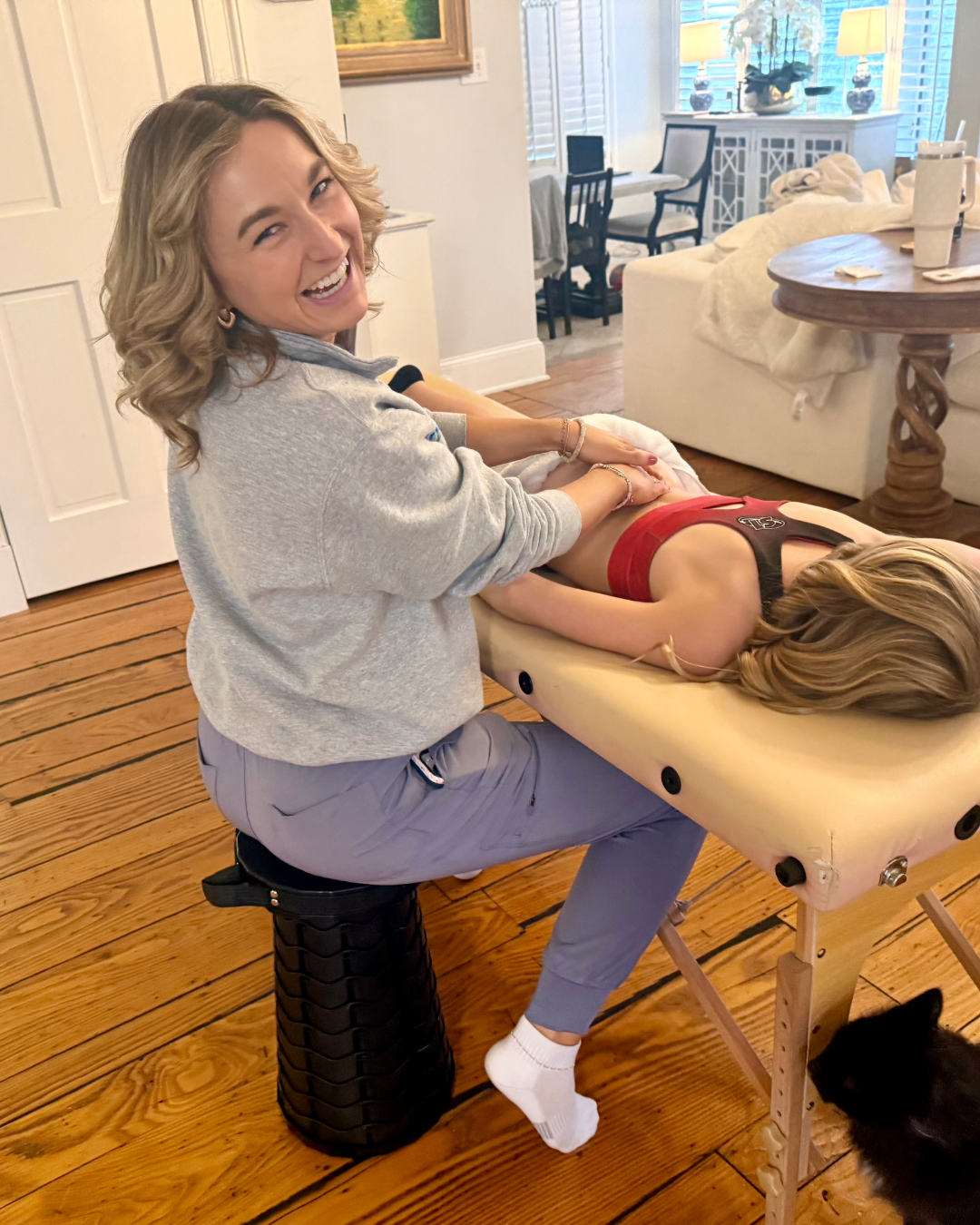
Mobile physical therapy is one‑on‑one care delivered in your home, workplace, or private setting, rather than in a traditional clinic. Your physical therapist brings the equipment, performs a full evaluation, and designs a treatment plan tailored to your goals and environment.
Instead of juggling parking, waiting rooms, and shared gym spaces, your session happens where you actually live and move.
The Pros of Mobile Physical Therapy
1. True One‑on‑One Care
In a traditional clinic, therapists often juggle multiple patients at once. With mobile physical therapy, your therapist is focused solely on you for the entire session.
This allows for:
More detailed assessments
Fewer missed movement issues
Faster progression of exercises
Higher quality hands‑on care
2. Convenience That Fits Real Life
Mobile PT eliminates many of the barriers that keep people from starting—or finishing—therapy.
Benefits include:
No driving or parking
No waiting rooms
Sessions that fit into workdays, school schedules, or caregiving responsibilities
For busy professionals, parents, and active adults, this alone can be a game‑changer.
3. Care Designed for Your Environment
One of the biggest advantages of in‑home physical therapy is context.
Your therapist can:
Assess stairs, furniture, and daily movement patterns
Modify exercises using what you already have at home
Provide realistic fall‑prevention and safety strategies
This often leads to better carryover and long‑term results.
4. Privacy and Comfort
Many people feel more relaxed and confident in their own space. That comfort can improve communication, movement quality, and adherence to a home program.
There’s also no shared gym space—just personalized care in a private setting.
5. Ideal for Preventive and Maintenance Care
Mobile physical therapy works especially well for:
Early pain or movement issues
Strength and mobility maintenance
Injury prevention
Aging‑in‑place support
Addressing problems early often prevents larger, more expensive issues later.
The Cons of Mobile Physical Therapy
While mobile PT has many benefits, it’s not the best option for everyone.
1. Higher Cost Than Traditional Clinics
Because sessions are one‑on‑one and highly personalized, mobile physical therapy is often a cash‑based or hybrid service. It may not be fully covered by insurance.
For many clients, the value comes from better results, fewer visits, and saved time—but cost is an important consideration. However, if you do not have insurance
2. Not Designed for High‑Volume or Passive Care
If you’re looking for quick modalities or a high‑volume clinic environment, mobile PT may not be the right fit. This model prioritizes active participation, education, and movement‑based care.
3. Limited Equipment (by Design)
Mobile therapists bring what’s needed, but treatment focuses on functional strength, mobility, and movement quality, not large machines.
For most people, this leads to better real‑world outcomes—but expectations should be clear.
Who Is Mobile Physical Therapy Best For?
Mobile physical therapy is especially well‑suited for:
✔ Busy Professionals
People who value efficiency and want high‑quality care without disrupting their workday.
✔ Adults Aging in Place
Those who want to maintain independence, strength, and safety at home.
✔ Post‑Surgical Patients
Clients recovering from joint replacement or orthopedic surgery who benefit from early, personalized rehab.
✔ Parents and Caregivers
Those balancing family responsibilities who need flexible, reliable care.
✔ Active Adults Focused on Prevention
People who want to stay strong, mobile, and pain‑free—before injuries escalate.
Who Might Not Be the Best Fit?
Mobile physical therapy may not be ideal if:
You require intensive hospital‑based rehab
You prefer a traditional gym setting
Cost is the primary deciding factor
Is Mobile Physical Therapy Worth It?
For the right person, yes—absolutely.





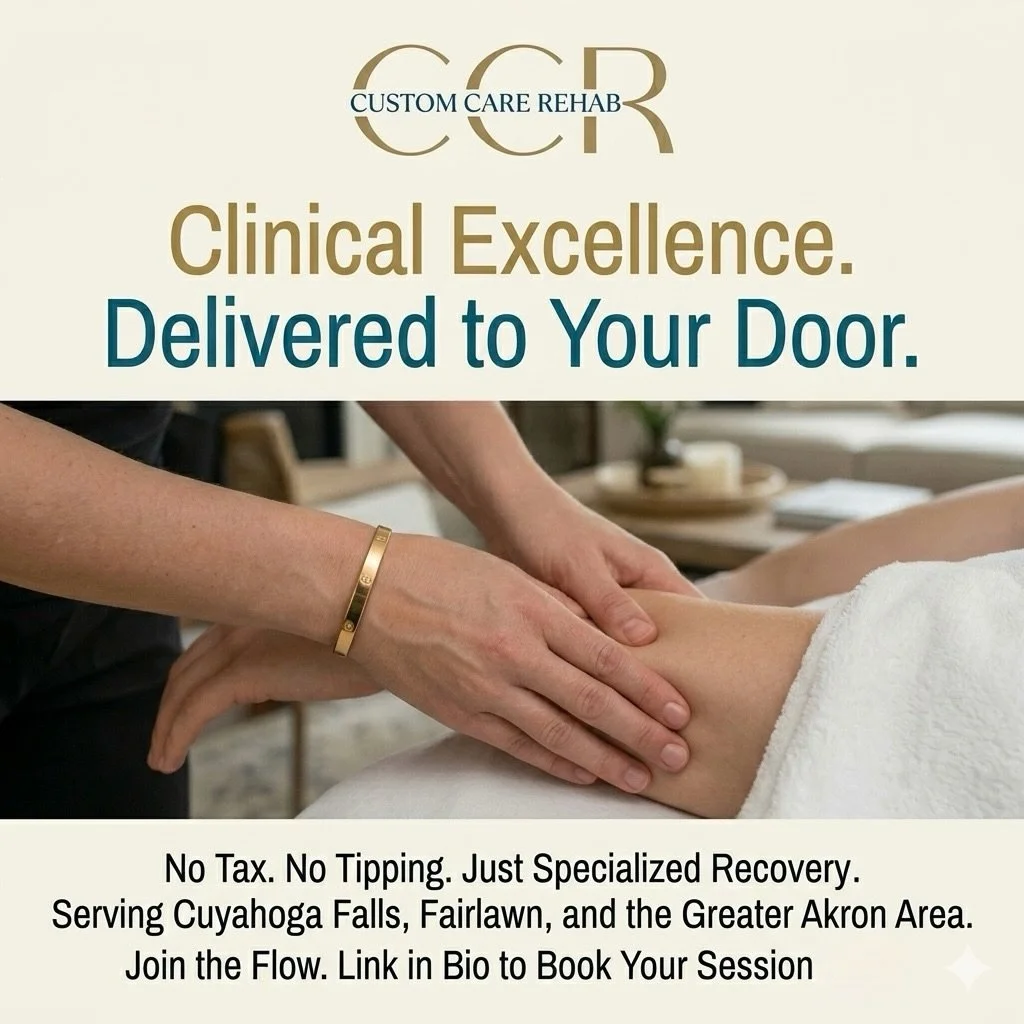


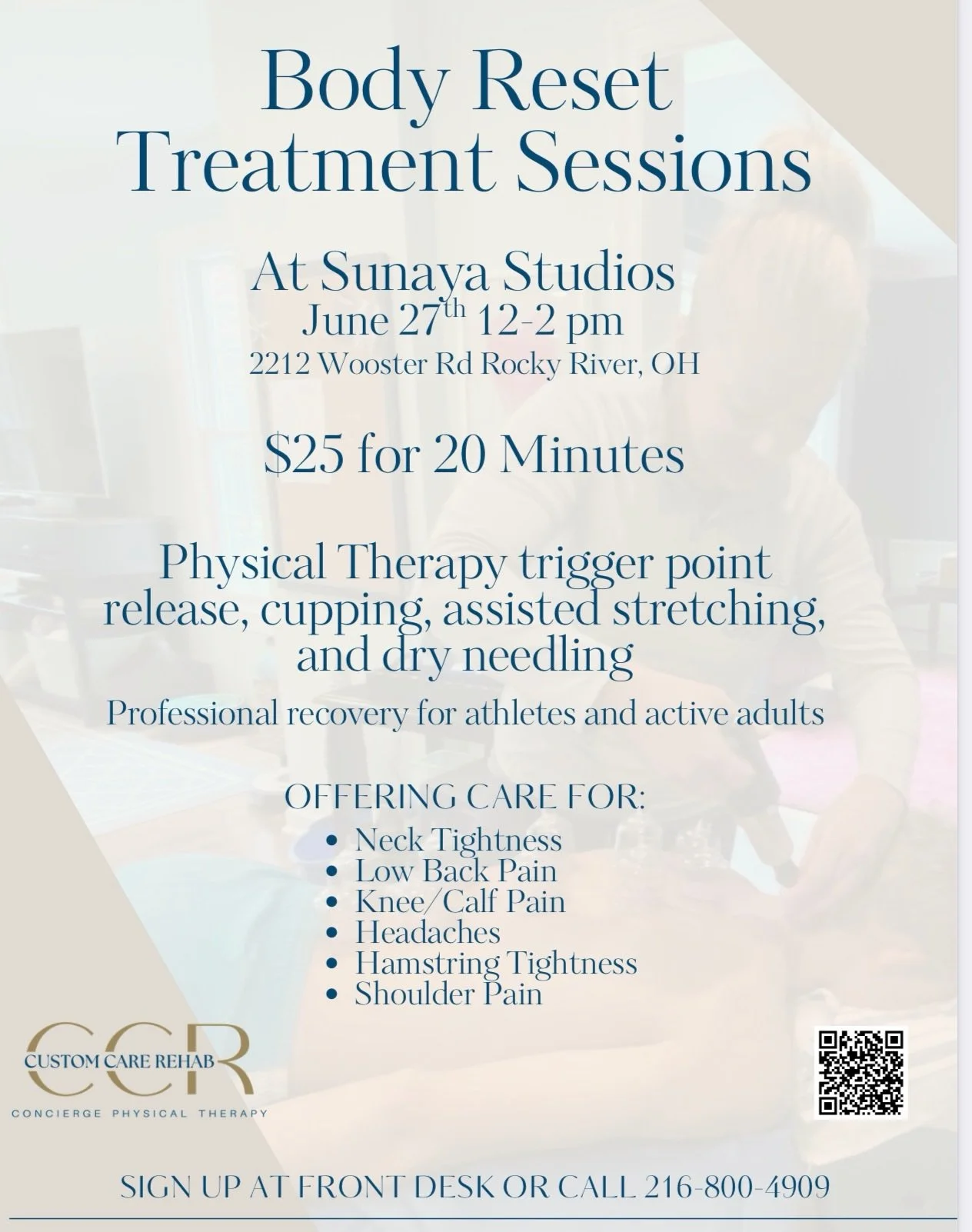

If you value:
Personalized care
Time efficiency
Convenience
Long‑term results
Mobile physical therapy offers a level of service that traditional clinics often can’t match.
The key is choosing a provider who prioritizes clinical expertise, individualized programming, and clear communication.
Final Thoughts
Mobile physical therapy isn’t about replacing traditional clinics—it’s about offering a better option for people who want high‑quality, individualized care that fits their life.
If you’re deciding between convenience and results, mobile physical therapy allows you to have both.
Interested in learning whether mobile physical therapy is right for you? A brief discovery call can help determine the best next step based on your goals, schedule, and movement needs.